How to Handle Rust Runoff Stains on Painted Concrete Paths
@andresauni932
November 20, 2026 · 7 min read
Rust runoff stains are one of the most common problems for homeowners with painted concrete paths, driveways and patios in Ballina. The Northern Rivers climate combines high humidity, regular heavy rainfall and salt-laden coastal air, which speeds up corrosion on metal fixtures and sends orange-brown streaks across painted surfaces. This guide explains why the stains happen, how to remove them without damaging your paint, and how to stop them coming back.

Why Rust Stains Appear on Painted Concrete in Ballina
Rust forms when iron or steel is exposed to oxygen and moisture. Ballina's coastal position makes this reaction faster, because airborne salt from the Richmond River estuary and the ocean acts as an electrolyte and accelerates corrosion. When rain washes over a corroding item, it carries dissolved iron oxide onto the surrounding surface, where it settles in the paint film and creates stubborn orange, red or brown marks.
Common Sources of Rust Runoff
Identifying the source is the first step, because cleaning the stain without fixing the cause means it will return. Typical culprits around Ballina properties include:
- Steel or galvanised fence posts, gate hardware and hinges
- Metal outdoor furniture, pot stands and planter feet
- Garden edging, stakes and tool storage
- Corroding roof fixings, gutters, downpipes and brackets
- Exposed steel reinforcing mesh or bar chairs close to the concrete surface
- Bore water or tank water with a high iron content from irrigation sprinklers
- Fertilisers containing iron, which can leave orange spots if spilled or sprayed onto paths
Rust From Within the Concrete
Sometimes the rust comes from inside the slab. If reinforcing steel sits too close to the surface, moisture and chlorides can penetrate the concrete and corrode it. This is known as concrete cancer or spalling. Look for cracks following a straight line, rust-coloured seepage from cracks, or flaking and bulging paint. In these cases, surface cleaning is only a temporary fix and a structural assessment is worthwhile.
Before You Start: Assess the Paint and the Stain
Painted concrete is more delicate than bare concrete, so the cleaning method must suit the coating. Check these factors first:
- Paint type: Acrylic concrete paints, epoxy coatings and polyurethane finishes react differently to acids and solvents. Acrylics are the most easily damaged.
- Paint condition: Peeling, chalking or porous paint absorbs rust more deeply and may need repainting rather than cleaning.
- Stain age: Fresh stains lift easily, while stains that have been baked in by months of sun and rain take more effort.
- Surface colour: Light-coloured paints show rust more clearly, and strong cleaners may cause visible fading on darker colours.
Always test any cleaning product on a small, inconspicuous patch first and wait until it dries to check for dulling, discolouration or softening of the paint.
Step-by-Step Rust Stain Removal
Start with the gentlest method and only escalate if needed. This protects the paint and reduces the risk of having to recoat the whole path.

- Stop the source. Remove, treat, repaint or relocate whatever is causing the rust, otherwise the stain will return after the next storm.
- Sweep and rinse. Remove loose dirt, leaves and grit, then wet the area with clean water.
- Wash with mild detergent. Use warm water, a neutral pH detergent and a soft-bristle brush. Rinse thoroughly. Fresh, light stains sometimes lift at this stage.
- Apply a mild acid-based remedy. Make a paste from lemon juice or white vinegar and bicarbonate soda, or use a diluted citric acid solution. Leave it on for 10 to 15 minutes, agitate gently with a soft brush, and rinse well.
- Use a dedicated rust remover if needed. Choose a product labelled safe for painted or sealed surfaces, preferably oxalic acid or a phosphoric acid-based formula at the recommended dilution. Apply according to the label, do not let it dry on the surface, and rinse thoroughly with plenty of water.
- Rinse and inspect. Allow the surface to dry fully and check whether the stain has faded. Repeat the gentler methods rather than jumping to stronger chemicals.
Products and Methods to Use With Caution
Hydrochloric (Muriatic) Acid
Hydrochloric acid is often recommended for bare concrete but is generally unsuitable for painted surfaces. It can strip, etch or discolour paint, and the fumes and runoff are hazardous to people, pets, plants and waterways. Avoid it on painted paths unless a professional recommends it for a specific situation.
Bleach
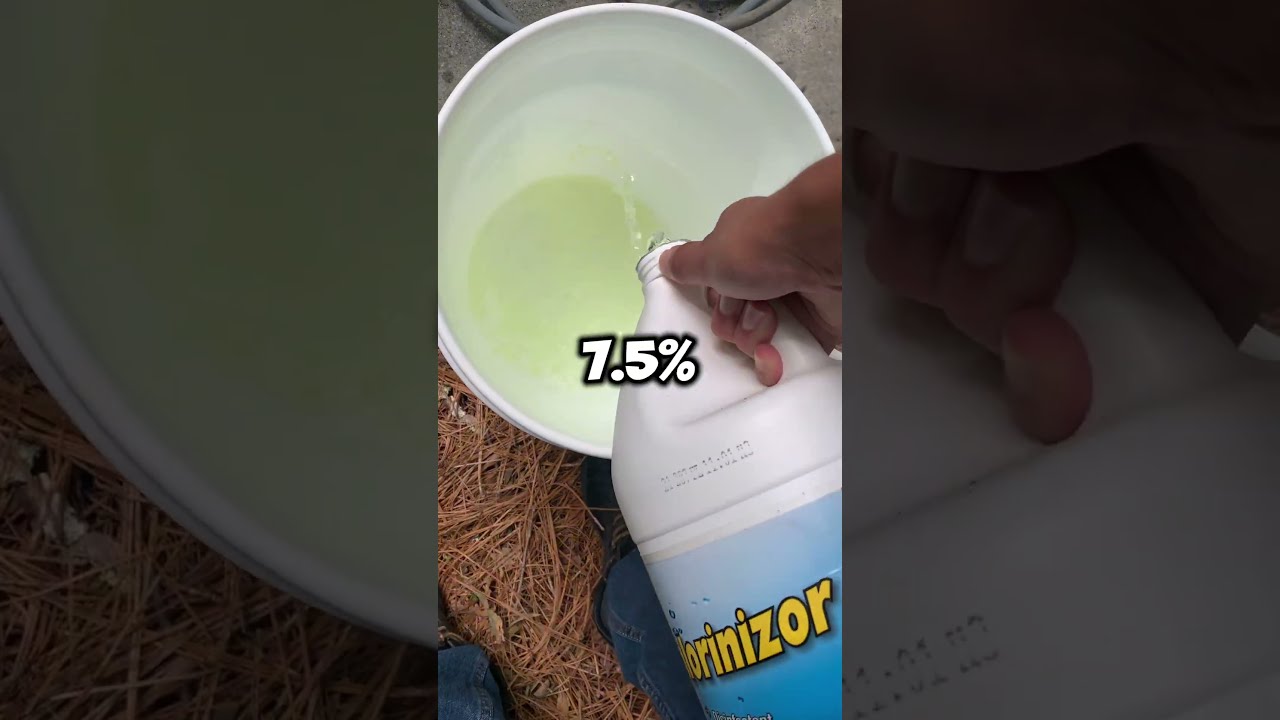
Household bleach does not remove rust. In some cases it can set iron stains or react with rust removers to produce dangerous gases. Never mix bleach with acidic cleaners.
High-Pressure Washing
Pressure washers can lift surface grime, but high pressure can also damage paint, particularly older or thinly applied coats. If you use one, choose a wide fan tip, keep a reasonable distance from the surface and keep the pressure low. Pressure washing alone seldom removes embedded rust.
Wire Brushes and Abrasives
Avoid wire brushes, scrapers or abrasive pads on painted concrete. They scratch the coating and leave tiny steel fragments that can rust and cause new stains.
Safety and Environmental Considerations in Ballina
Ballina sits close to waterways, wetlands and stormwater drains that flow into https://devinzajb468.capitaljays.com/posts/roof-cleaning-in-ballina-removing-coastal-mold-and-lichen the Richmond River system, so how you dispose of cleaning runoff matters. Cleaning products and dissolved rust should not be washed into stormwater drains in large quantities. Where possible, use mild cleaners, block drains temporarily, and let the rinse water soak into a lawn or garden bed away from waterways, or collect it with a wet vacuum. Check current guidance from Ballina Shire Council about stormwater and pollution if you are unsure.
When handling acids or rust removers, wear chemical-resistant gloves, eye protection, long sleeves and closed shoes. Work in a well-ventilated area, keep children and pets away, and follow the manufacturer's safety data sheet. Never mix different cleaning products.
What to Do If the Stain Won't Come Out
Deep-set rust may have penetrated the paint film and the concrete beneath. If repeated cleaning fails, the options are:
- Spot repainting: Remove the stained paint locally, treat the concrete, then prime and repaint. Colour matching is easier if you have the original paint or can have it colour-matched.
- Full recoat: Patchy repairs on older paint can look uneven, so recoating the whole path often gives a better finish.
- Stain-blocking primer: Apply a stain-blocking primer suitable for masonry before repainting to prevent residual rust from bleeding through.
- Professional assessment: If you suspect corroding reinforcement or widespread paint failure, a concrete or coatings specialist can advise on repairs.
How to Prevent Rust Runoff Stains Returning
Prevention is far easier than repeated cleaning, particularly in Ballina's humid, salty environment.
Protect Metal Items
- Sand back surface rust on fences, gates and furniture and apply a rust converter, a zinc-rich primer and a quality exterior topcoat.
- Choose marine-grade stainless steel (316), aluminium, powder-coated or hot-dip galvanised products for outdoor use near the coast.
- Place rubber or plastic feet under pots, furniture and metal planters so they do not sit directly on the paint.
- Rinse metal items with fresh water periodically to remove salt deposits.
Improve Drainage and Sprinkler Setup
Adjust sprinklers so they do not spray onto paths, especially if you use bore water. A water filter or iron-removal system can reduce orange staining caused by iron-rich water.
Maintain the Paint and Sealer
A well-maintained coating resists staining better. Inspect painted paths every year, repair chips and cracks promptly, and recoat when the paint begins to wear. A clear, breathable sealer or a high-quality exterior concrete paint can reduce how readily stains soak in. Choose products designed for coastal and wet conditions, and follow the recommended recoat intervals.
When to Call a Professional
Consider professional help if the stains cover a large area, the paint is failing, the concrete shows structural cracking, or you are unsure which coating is on your path. A local painter, concrete cleaner or coatings specialist familiar with Northern Rivers conditions can identify the cause, choose suitable products and apply a durable repair.
Key Takeaways
Rust runoff stains on painted concrete are common in Ballina because of humidity, rainfall and coastal salt. Find and fix the source first, then clean using the gentlest effective method, starting with detergent and progressing to mild acids or a rust remover suited to painted surfaces. Avoid harsh chemicals, abrasive tools and aggressive pressure washing, protect nearby waterways, and take preventive steps by treating metal items, adjusting irrigation and maintaining your paint. With the right approach, your paths can stay clean, bright and well protected through 2026 and into 2027 and beyond.
Ballina Pressure Cleaning
0440 133 837